Why creatine remains a go-to for serious training
Creatine is one of the most researched ingredients in sports nutrition. In the EU, creatine is authorised to claim that a daily intake of 3 g increases physical performance in successive bursts of short-term, high-intensity exercise. That makes creatine supplements especially relevant for weight training, sprinting, repeated intervals, combat sports, and stop-start team sports where explosive output matters.
Creatine is not a stimulant, and it does not depend on an immediate sensation to show value. Its role comes from consistent daily use that helps build muscle creatine stores over time. For adults over 55 who perform regular resistance training, daily creatine can also enhance the effect of that training on muscle strength. For many active people, that makes creatine one of the simplest performance-focused additions to a disciplined routine.
What creatine is and why creatine monohydrate leads the category
Creatine is a naturally occurring compound made from amino acids and stored mainly in muscle tissue. There, it helps regenerate ATP, the fast energy source used during short, hard efforts. Your body produces creatine itself, and you also get some from foods such as meat and fish, but supplements make intake easier to control with a precise daily dose.
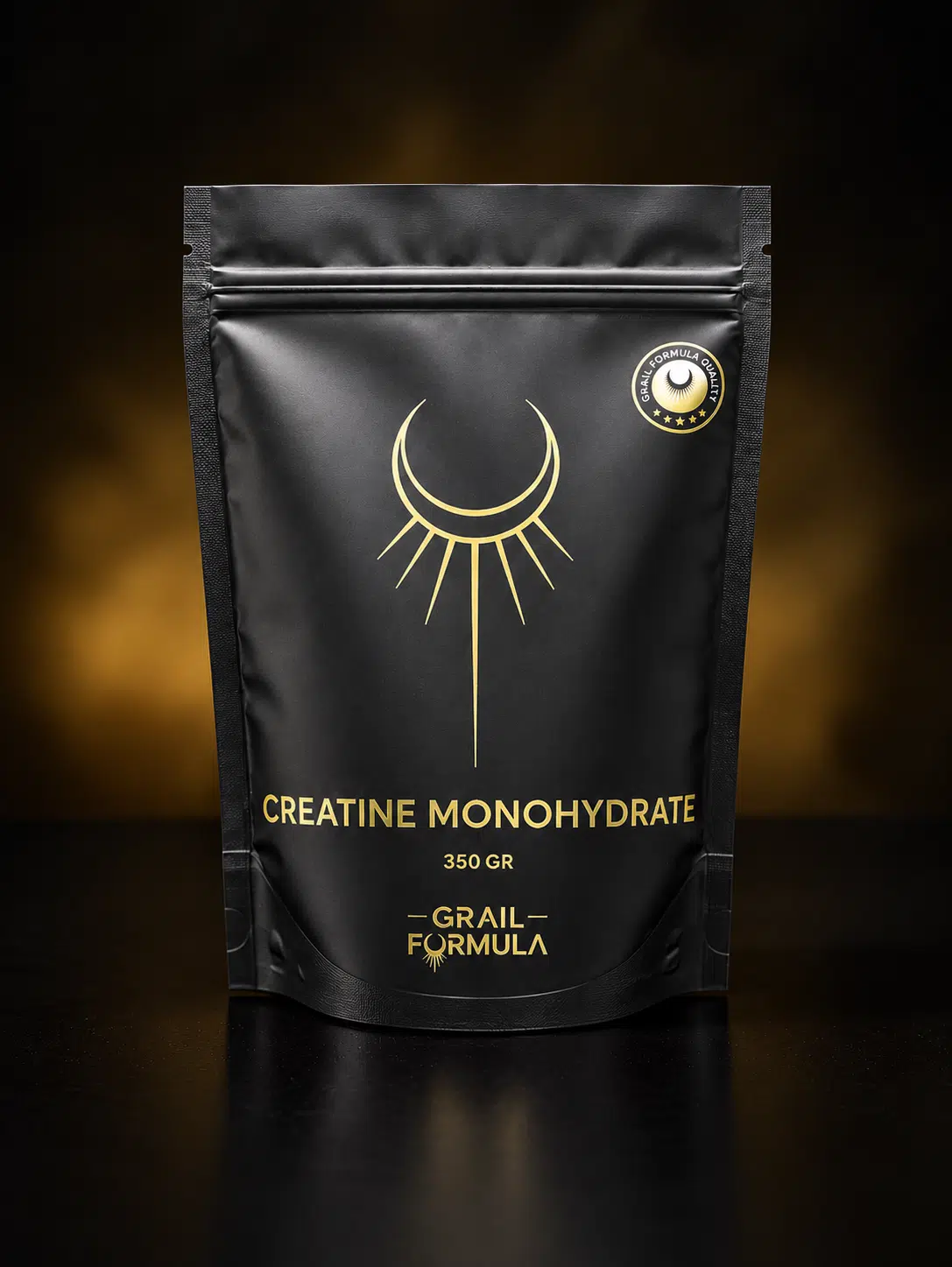
If you are comparing creatine supplements, creatine monohydrate remains the standard reference. It is straightforward, well studied, and widely used in creatine powder, creatine capsules, and creatine tablets. You may also see creatine HCL, creatine hydrochloride, Kre-Alkalyn, creatine HMB, micronized creatine, or branded raw materials such as Creapure creatine on the market. Those options can differ in texture, branding, or convenience, but for most people, pure creatine monohydrate or micronized creatine monohydrate is the most practical starting point. For a deeper comparison, see creatine HCl vs monohydrate.
Choose the format that fits your routine
The core ingredient matters more than the delivery format, but convenience still affects consistency. If you want the best creatine supplement for daily use, choose the format you are most likely to take every day. If you are deciding between capsules and powder, compare creatine tablets vs powder.
| Format |
Best for |
What to know |
| Creatine powder |
Flexible dosing and strong value per serving |
Unflavoured creatine monohydrate powder is often the simplest option for a clean label and easy mixing. |
| Creatine monohydrate capsules or tablets |
Travel, convenience, and no-mix routines |
Check how many capsules or tablets are needed to reach a full serving, because convenience can mean more units per day. |
| Flavored creatine, chews, or gummies |
Taste and grab-and-go use |
Look closely at added sugars, sweeteners, and extra ingredients if purity is your priority. |
What to look for when you buy creatine
If you are searching for the best creatine, best creatine monohydrate powder, or simply want to buy creatine monohydrate with confidence, keep the checklist simple. Search terms like clean creatine, pure creatine, and organic creatine usually reflect the same goal: a trustworthy formula without unnecessary extras.
- Clear dose per serving, showing the actual grams of creatine
- A straightforward ingredient form, most often creatine monohydrate or micronized creatine monohydrate
- No unnecessary fillers, proprietary blends, or heavy flavour systems if you prefer a cleaner formula
- Independent testing and certificates of analysis
- High manufacturing standards and transparent sourcing
- A format that fits your routine well enough to use consistently
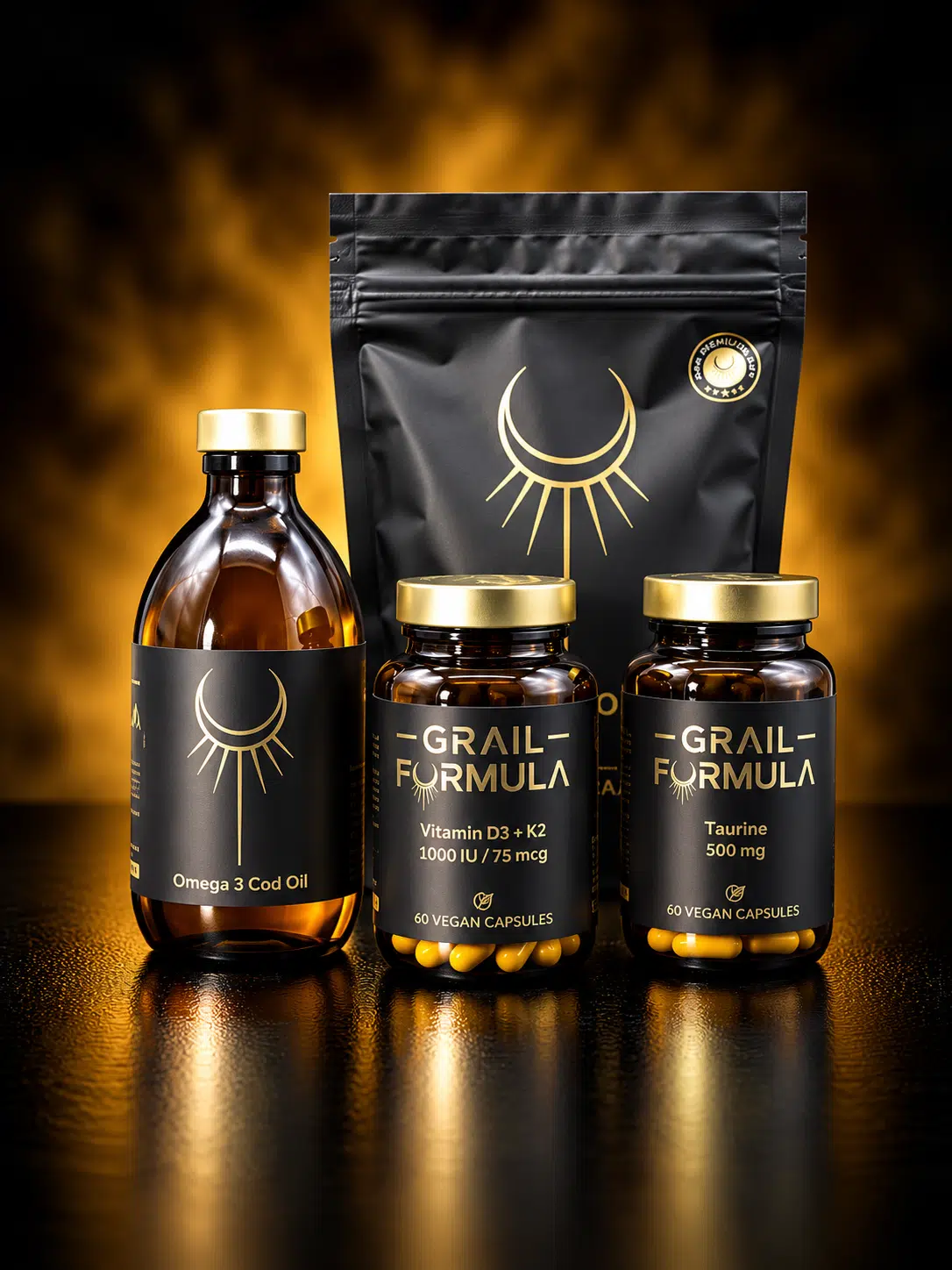
The best creatine for women and the best creatine for men is usually the same in principle: properly dosed, transparent, and easy to use every day. If you are looking for creatine for muscle growth or strength-focused training goals, product quality and consistency matter more than flashy branding. At Grail Formula, that means premium European manufacturing, clean formulations, and independently lab-verified potency without unnecessary additives or marketing noise.
How much creatine should you take?
For most adults, 3 to 5 g per day is the common range, and the EU-authorised performance claim is based on 3 g daily. Some people use a loading phase to reach full saturation faster, usually by splitting a higher daily amount across several servings for a short period before moving to a maintenance dose. Loading can be useful, but it is not essential. A regular daily serving also works when followed consistently.
Timing is less important than habit. You can take creatine with water, add creatine monohydrate powder to a shake, or use it alongside a protein powder with creatine or a pre workout with creatine, as long as your total daily intake stays clear. Follow the label, stay well hydrated, and avoid the common mistake of assuming that more will automatically work better. For practical guidance on timing, see When to take creatine.
Side effects, safety, and when to ask for advice
When used as directed, creatine is generally well tolerated by healthy adults. The most common downsides are mild and practical: temporary water-weight changes, bloating, or stomach discomfort, especially when large single doses are used. Splitting servings, taking creatine with enough fluid, and choosing a simple formula can help reduce those issues. For a full overview, see creatine side effects.
Creatine is not a one-size-fits-all product. If you are pregnant, breastfeeding, under medical supervision, using prescription medication, or living with kidney, liver, or metabolic conditions, get personal advice before using supplements. That is often why some people are told to avoid creatine – not because the ingredient is automatically unsuitable, but because individual context matters.
FAQs about creatine supplements
Is a creatine supplement good for you?
For many active adults, creatine can be a practical addition because it is well studied and simple to dose. The key question is whether it fits your training, diet, and health situation. It should support a strong routine, not replace good nutrition or consistent training.
Is creatine monohydrate better than creatine HCL or Kre-Alkalyn?
If you want the most evidence-backed starting point, creatine monohydrate is usually the best first choice. Alternative forms such as creatine HCL, creatine hydrochloride, or Kre-Alkalyn may suit personal preference, but they do not automatically make a product more effective.
Is the best creatine for women different from the best creatine for men?
Usually no. The best creatine for women and the best creatine for men follows the same logic: choose a pure, transparent, properly dosed formula. Marketing may differ, but the core ingredient criteria stay the same.
Do I need a loading phase?
No. A loading phase can fill muscle stores faster, but many people simply take a daily serving and reach the same place over more time. If you prefer a simple routine, daily maintenance use is enough.
Can I take creatine with protein powder or pre-workout?
Yes, many people combine creatine with protein shakes or a pre-workout. Just check the label so you know whether creatine is already included and you do not accidentally double your intended intake.
What happens if I stop taking creatine?
If you stop, your muscle creatine stores gradually return toward baseline over time. There is no special cycle-off rule for most users, but the performance effect linked to daily intake will also fade if supplementation stops.
Is vegan creatine available?
Yes, vegan creatine is commonly available because the creatine used in supplements is typically synthetically produced rather than taken from animal tissue. If you follow a strict vegan routine, also check the capsule shell, flavourings, and any added ingredients.
What are the main disadvantages of taking creatine?
The main disadvantages are usually mild digestive discomfort, temporary water retention, and the need for daily consistency. In practice, the bigger problem is often choosing overcomplicated formulas when a clean, properly dosed creatine supplement would do the job more effectively.