How to judge quality before you buy
When people search for the best berberine supplement, what they usually want is not hype but clarity. A good starting point is the ingredient form. Standard berberine HCl is the most familiar option on the market and one of the most commonly used forms in discussions around berberine supplementation. If a product uses an enhanced form such as dihydroberberine, the label should clearly explain the amount per serving and how that compares with standard berberine.
Next, look at the real daily intake rather than the front of the bottle. A product may advertise berberine 500mg, berberine 1000 mg, berberine 1200mg or berberine 1500mg, but what matters is how many capsules you need to take to reach that amount and whether that fits your routine. Capsule count, serving frequency and value per day all influence whether a formula is practical long term.
Purity matters too. A pure berberine supplement or clean berberine complex should have a straightforward label, minimal excipients and no unnecessary colours, sweeteners or filler-heavy blends. Transparent brands also make it easier to verify manufacturing quality. Made in Europe, independent testing and certificates of analysis are strong trust signals because they show the formula is built around consistency, not marketing.
If you are comparing a natural berberine product, an organic berberine formula or a high quality berberine extract, remember that sourcing claims only tell part of the story. Standardisation, label transparency and quality control are what turn a promising ingredient into a supplement you can buy with confidence. For our approach, see Our quality testing.
What berberine is and why people look for it
Berberine is a plant alkaloid found in botanicals such as barberry, goldenseal and Oregon grape. That is why some shoppers first come across it through a barberry supplement or a berberine herb extract before specifically searching for a berberine supplement. In modern supplement categories, it is most often sold as berberine HCl, also called berberine hydrochloride, in capsules or tablets.
Interest in berberine has grown because it is widely discussed in nutrition and metabolism-related research. People exploring berberine are often interested in topics such as glucose metabolism, lipid metabolism, body composition and general metabolic balance. It also has a long history of use in traditional herbal systems, which adds to its visibility in the wellness space. For an evidence-backed overview, see Benefits of berberine.
That said, berberine is not a shortcut and it should not be treated like a replacement for prescribed care. The most useful way to view it is as one part of a broader routine that may also include structured nutrition, physical activity, sleep, stress management and professional guidance where needed.
Berberine HCl, pure berberine, or a berberine complex?
For most shoppers, standard berberine HCl is the baseline option. It is familiar, easy to compare across brands and commonly found in berberine 500 mg capsules. If you want a simple formula and full control over what you are taking, pure berberine is usually the easiest route. A pure berberine supplement keeps the label short and makes it easier to judge dose, tolerance and value.
A berberine complex is different. These formulas combine berberine with other ingredients such as Ceylon cinnamon, berberine and cinnamon blends, milk thistle, or other plant compounds. For some people, that added convenience is appealing. The trade-off is that multi-ingredient formulas need more scrutiny. The label should show meaningful amounts for every ingredient, not just use supporting compounds for marketing appeal. If cinnamon is a priority, consider Berberine with Ceylon cinnamon as a complementary option.
You may also see dihydroberberine supplement products, sometimes written as dihydro berberine. These are positioned as higher-absorption or more bioavailable options and may use lower milligram amounts than standard berberine HCl. That can be attractive if you want a lower capsule burden, but the best choice still depends on transparency, pricing and how well the formula fits your routine.
In terms of delivery format, berberine capsules are usually the most convenient for day-to-day use. Berberine tablets can also work well, but they may be larger and sometimes contain more binding agents. Berberine powder is less common for regular use because the taste is strong and measuring a consistent serving is less practical.
How much berberine should you take and when?
Many products are built around berberine HCl 500mg per capsule, and that is one reason berberine 500mg is such a common search. Across the wider market, standard daily totals are often shown as 1000 mg, 1200mg or 1500mg, usually split across two or three servings. If you are comparing these options, focus on the full daily serving rather than the number printed in the product name.
Timing matters as well. Berberine is commonly taken with meals or shortly after eating because that approach is often easier on digestion and simpler to keep consistent. If you are new to it or know you have a sensitive stomach, starting on the lower end of the label guidance can be a sensible approach before increasing to the full suggested serving.
More is not automatically better. A higher dose only makes sense if it fits the formula type, your tolerance and the brand’s instructions. Enhanced forms such as dihydroberberine may use lower amounts for a reason, so milligrams alone do not always tell the full story. For longer-term use, or if you use prescription medication, it is wise to review supplementation with a qualified healthcare professional rather than guessing your way through dosing.
What makes the best berberine supplement for your goal?
The best berberine is the one that matches both your purpose and your standards. If you want simplicity, choose a pure berberine formula with a transparent label and minimal excipients. If you want a broader stack, a berberine complex may make sense, but only when the supporting ingredients are clearly listed and included in meaningful amounts.
If you are specifically comparing the best berberine supplement for weight loss or researching berberine for weight loss, keep expectations realistic. For a balanced overview, see Berberine and weight loss. No supplement replaces the basics of nutrition quality, activity, sleep and consistency. In practice, the better choice is often the formula you can tolerate well, take regularly and understand clearly, rather than the one with the most aggressive marketing claims.
If convenience matters most, compare the number of capsules per day and the total cost per serving. If absorption is your priority, look closely at higher-absorption formats such as dihydroberberine, but do not assume that the most bioavailable berberine supplement is automatically the best value. If your preference is clean sourcing, an organic berberine option can be appealing, but it should still meet the same standards for dose transparency and quality testing.
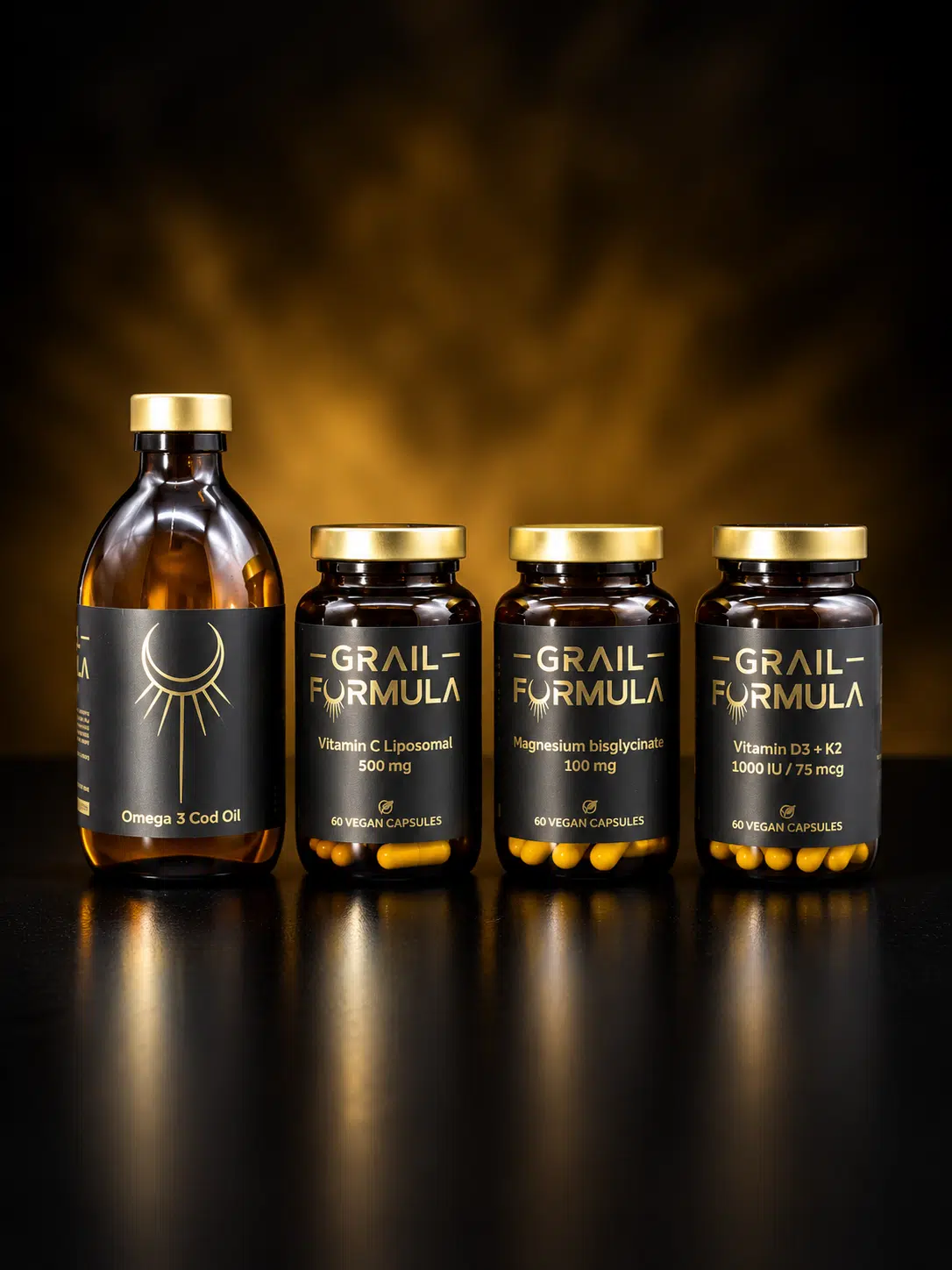
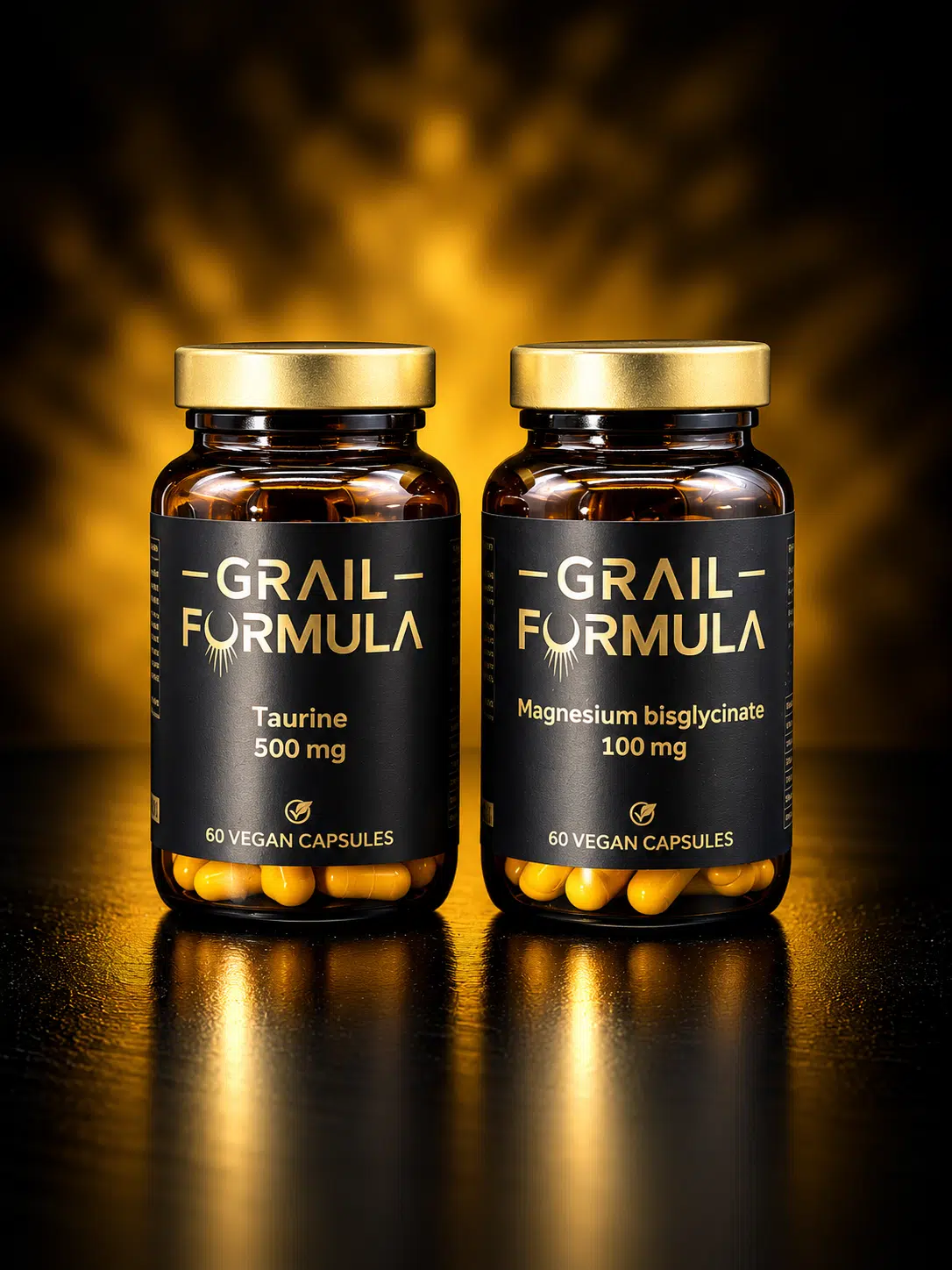
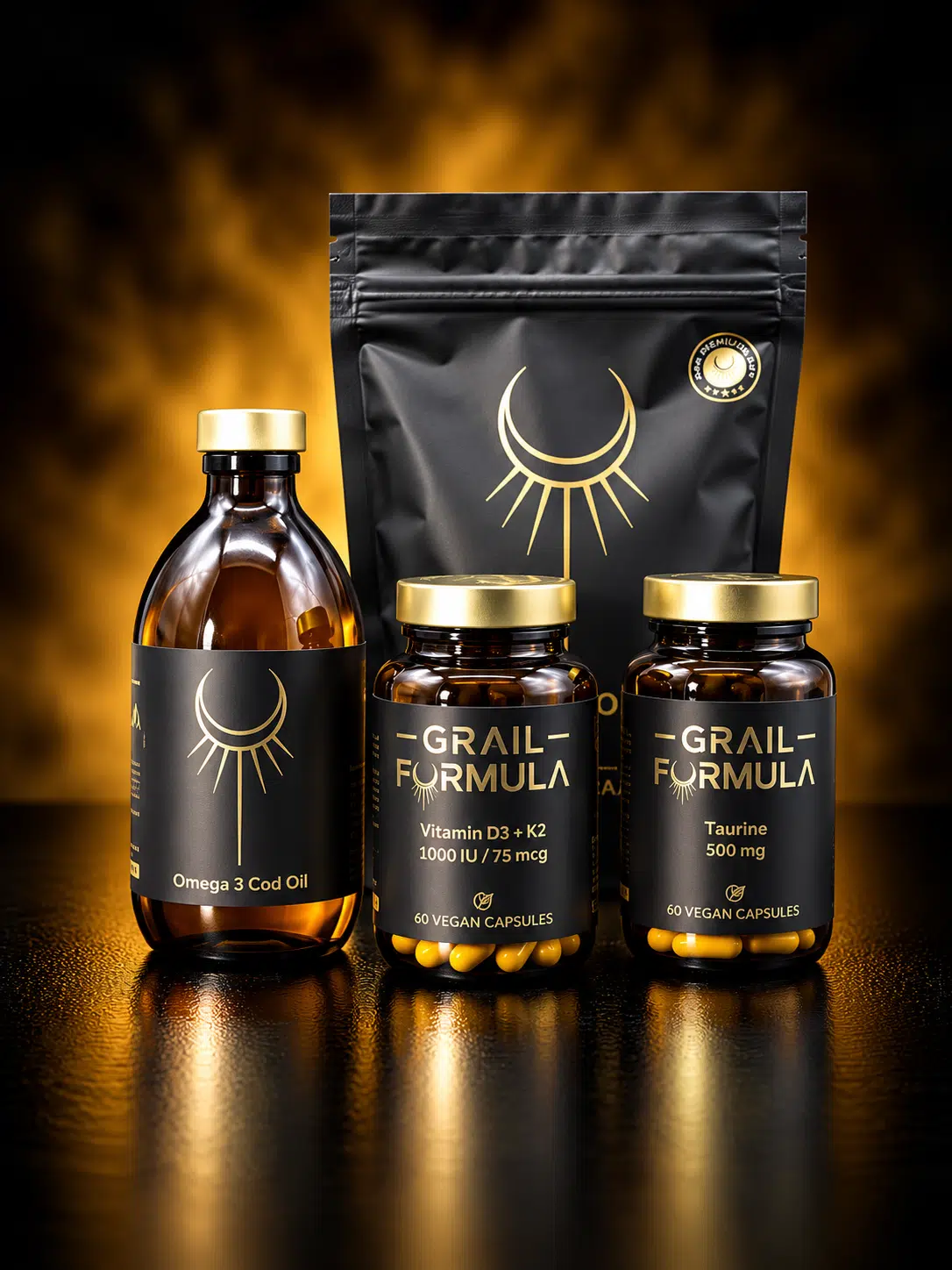
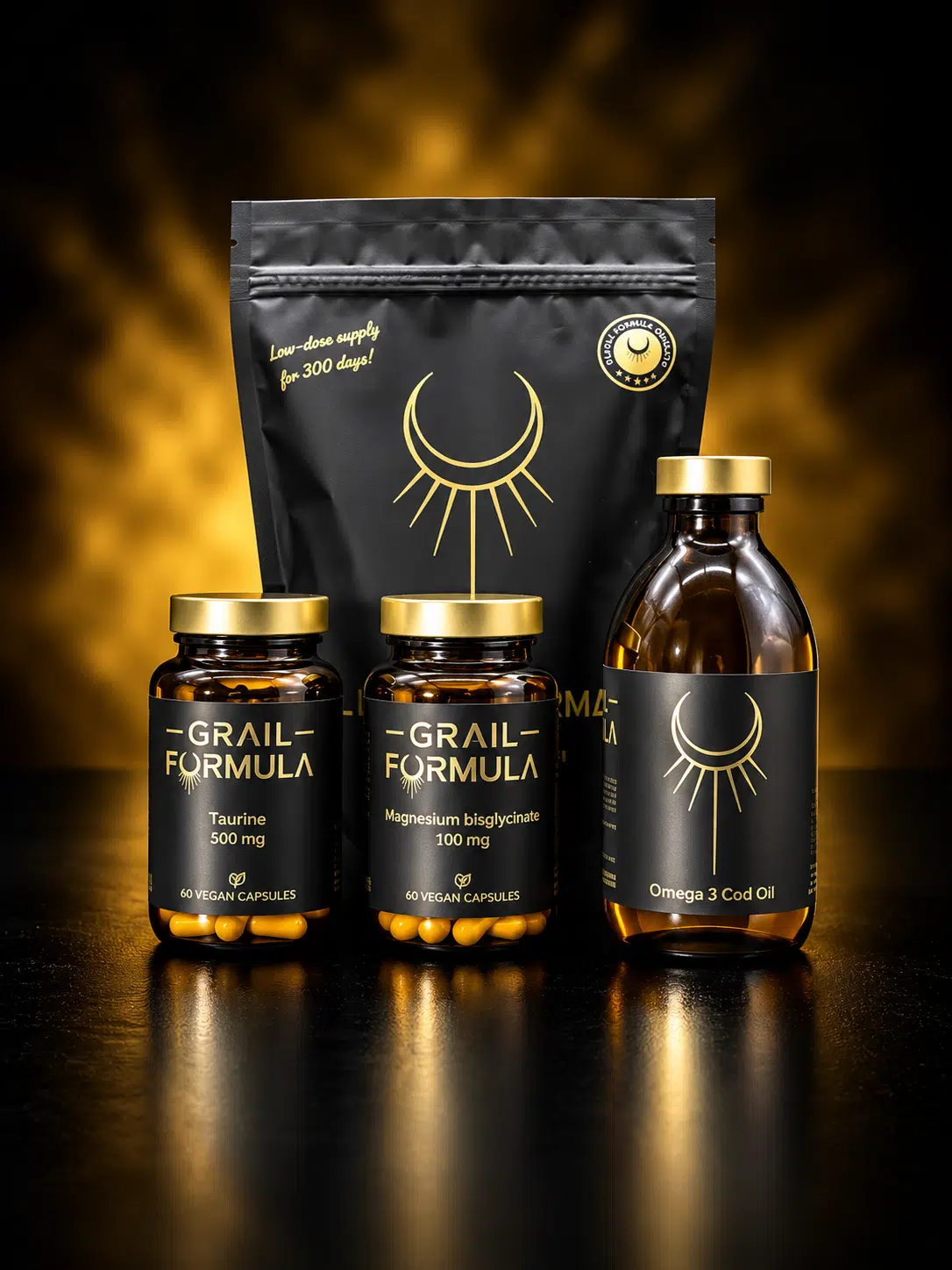
At Grail Formula, we believe premium supplementation should be disciplined and transparent. That means clear labels, science-backed ingredient selection, no unnecessary additives and quality standards that support long-term trust, not short-term hype.
Potential side effects, interactions, and when to be careful
Like many concentrated botanical compounds, berberine can cause side effects in some users. See Berberine side effects for a concise overview. The most commonly discussed issues are digestive, including nausea, stomach discomfort, bloating, constipation and diarrhoea. These effects are more likely when the dose is too high for the individual, when the formula is introduced too quickly, or when it is taken on an empty stomach despite poor tolerance.
Interactions are just as important as side effects. Berberine may influence enzymes involved in drug metabolism, which means it can affect how certain medicines behave in the body. Extra caution is sensible if you use prescription products related to blood sugar management, blood pressure, heart rhythm or cholesterol balance. Examples often mentioned in interaction discussions include metformin, digoxin, statins and calcium channel blockers. Higher-absorption forms deserve at least the same level of caution, because stronger uptake does not remove interaction risk.
Berberine is generally not a do-it-yourself choice during pregnancy or breastfeeding, and it is not suitable for infants. If you have liver or kidney impairment, if you are under active medical supervision, or if you are managing a complex health situation, professional guidance is important before starting any higher-dose supplement routine. The same applies if you are thinking about long-term daily use rather than a short trial period.
If you are unsure whether a berberine supplement fits your situation, the safest rule is simple: read the label carefully, avoid self-experimenting with high doses and ask a qualified professional before combining it with medication.
Berberine supplement FAQ
What does berberine really do for you?
Berberine is mainly discussed in relation to research on glucose metabolism, lipid metabolism, energy regulation and body composition. That is why it attracts attention from people who want a structured, research-aware supplement routine. Real-world outcomes still depend on the wider context, including diet, training, sleep and whether the formula is used appropriately.
What’s the downside of taking berberine?
The main downsides are digestive side effects, possible medication interactions and the fact that not every formula is equally transparent. A product can look impressive on the label while still falling short on purity, serving practicality or value. For some people, the biggest mistake is assuming that a plant-based supplement is automatically risk free.
Will berberine reduce belly fat?
No supplement can specifically target belly fat on its own. People often search for berberine supplement weight loss options because they want help with a wider body-composition plan, but consistent calorie control, protein intake, resistance training, sleep and routine are still the main drivers. A supplement should support structure, not replace it.
What should you avoid while taking berberine?
Avoid casual stacking with prescription medication without guidance, especially if the medication relates to blood sugar, blood pressure, cholesterol or heart function. Avoid jumping straight to high-dose use, and avoid taking it on an empty stomach if you already know your digestion is sensitive. It is also wise to avoid choosing purely on marketing phrases such as advanced, super or top rated without verifying the label.
Is berberine HCl the same as berberine hydrochloride?
Yes. Berberine HCl is simply the shortened label form of berberine hydrochloride. It is one of the most common ways berberine is presented in supplements, which makes it easier to compare products such as berberine 500 mg capsules or higher-dose daily formulas across different brands.
Are berberine capsules better than berberine tablets or powder?
For most people, berberine capsules are the easiest option because they are simple to dose and usually easier to build into a routine. Tablets can work well too, but they may be larger and can include more binders. Berberine powder is less convenient for daily use because serving accuracy and taste are harder to manage.
Is a berberine complex better than pure berberine?
Not automatically. A berberine complex can be useful if you specifically want complementary ingredients such as berberine with cinnamon or berberine with milk thistle in one product. Pure berberine is often better for shoppers who want a minimalist label, straightforward dosing and clearer quality comparison from one brand to another.
Can you take a berberine supplement long term?
Some people use berberine for longer periods, but long-term daily use deserves more thought than a short trial. Tolerance, medication use, dose and the reason for taking it all matter. If you plan to use it beyond a short-to-medium period, it is sensible to reassess with a healthcare professional rather than running on autopilot.
How do you choose the best berberine supplement?
Start with four questions: what form is used, how much active ingredient do you get per full daily serving, how clean is the label, and what quality standards back the product. The best quality berberine is rarely the loudest product on the page. Transparent dosing, clean excipients, verified manufacturing standards and a practical daily routine are what matter most.
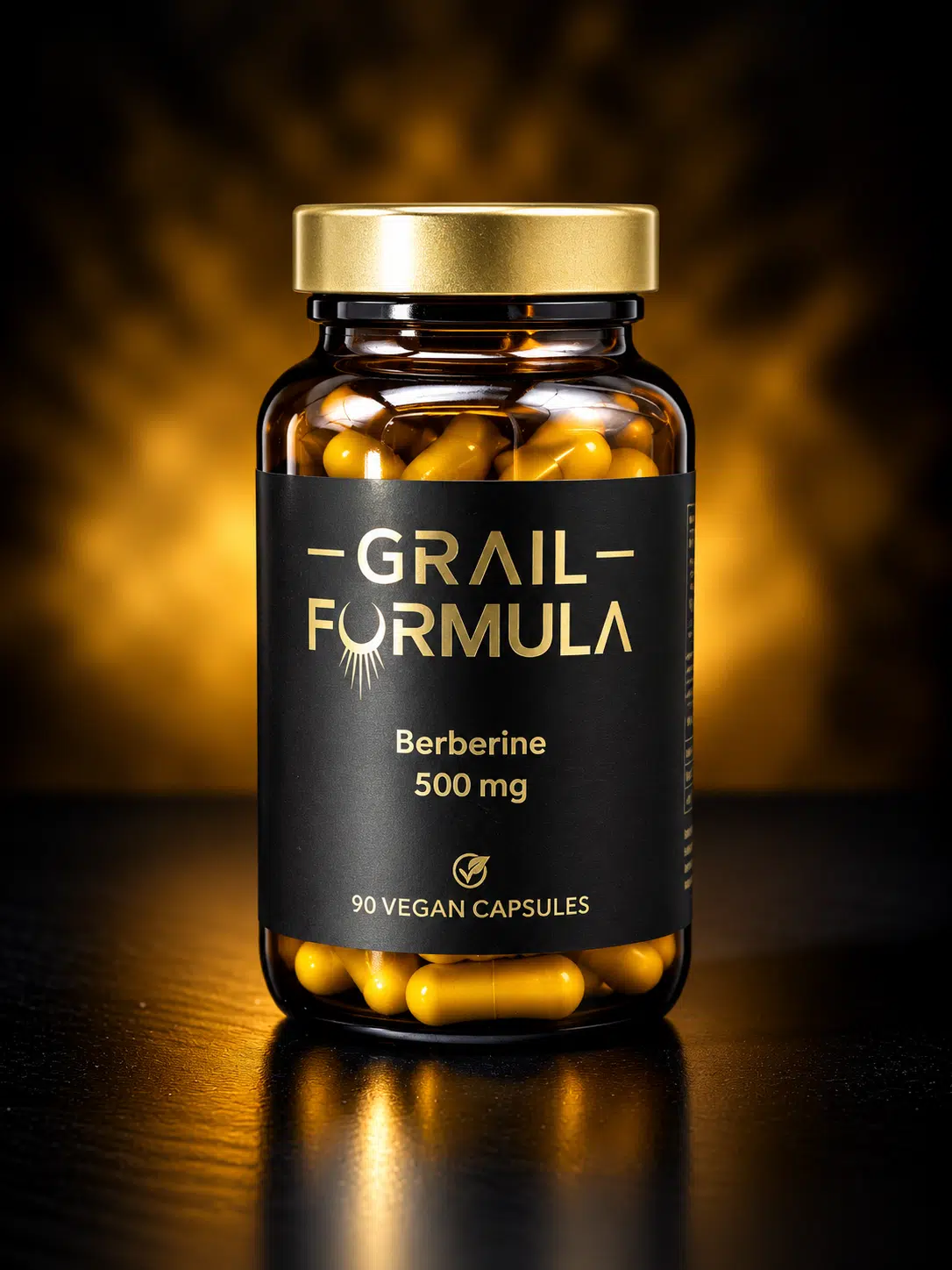
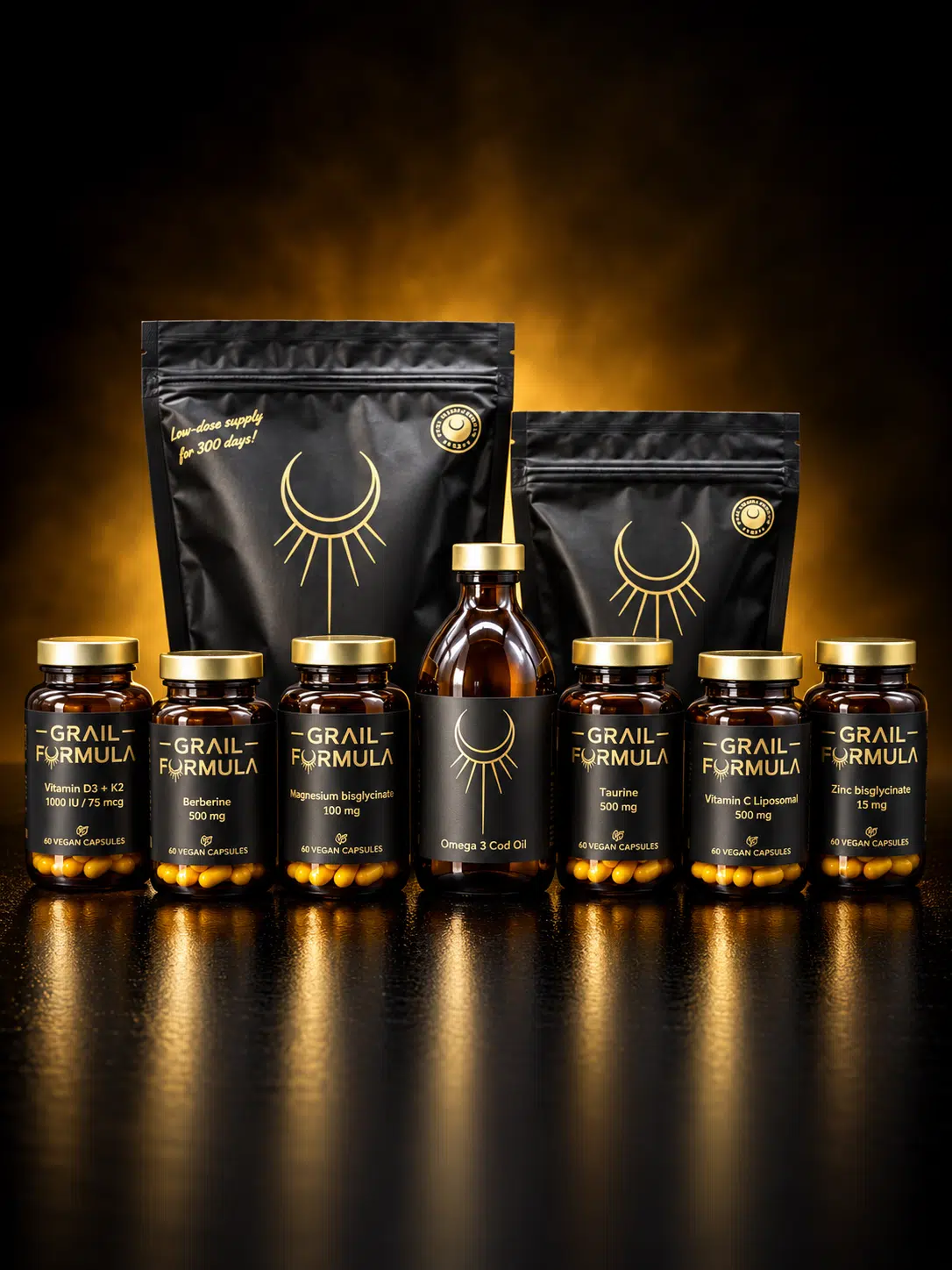
If you want a berberine supplement that matches premium standards, focus on clarity over hype. Transparent labels, disciplined formulation, clean ingredients and trusted manufacturing make the difference. Explore the Grail Formula range and choose the option that fits your routine with confidence.